
Spaying & Neutering
Reproductive Surgery for Healthier, Happier Pets
Spaying or neutering your cat or dog not only helps prevent unplanned litters, but also supports a longer, healthier, and more joyful life for your furry friend.
These procedures can lower the risk of certain reproductive-related infections and cancers, while also helping reduce behaviors like marking territory, excessive howling, aggression, and roaming.
At Arnprior Animal Hospital, our team is dedicated to making the entire experience as comfortable and stress-free as possible, so your companion can feel safe, relaxed, and well-cared-for from start to finish.
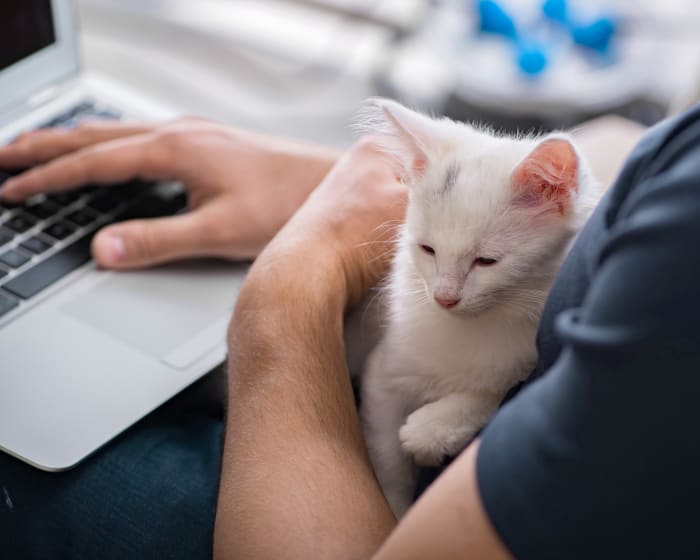
When to Spay or Neuter Your Pet
Your veterinarian knows your cat or dog's health best. While there are general guidelines as to when your pet should be spayed or neutered, your veterinarian will be able to make the decision based on your pet's specific needs and medical history.
Cats: We recommend spaying or neutering cats when they are around six months old. This allows them to reach their relative adult size and make sure they can safely metabolize anesthetic agents.
Dogs: Many veterinarians have concluded that for certain breeds, it is advisable to wait until the dog reaches sexual maturity before performing a spay or neuter procedure. Your veterinarian can provide you with guidelines based on your pup's age, breed, size and lifestyle.
FAQs About Spaying & Neutering
Are you considering having your dog or cat spayed or neutered, but still have questions? To learn more about spaying and neutering, read through the answers to our list of frequently asked questions below.
-
How long will it take for my pet to recover from surgery?
Spay and neuter procedures are typically day surgeries, allowing pets to return home in the evening following their procedure.
Your pet's activity will need to be restricted for approximately 10 days, and a protective collar may be necessary to prevent them from licking the incision.
Your vet may also request that you bring your pet in for a follow-up appointment.
-
Will my pet feel anything during the procedure?
No, your pet will be under general anesthesia and will not feel anything during the procedure.
-
Will my pet gain weight after the procedure?
Your puppy or kitten will continue to grow to their full adult weight after the spay or neuter procedure, and this naturally includes some weight gain.
However, we typically recommend reducing calories following spay or neuter procedures, as your pet’s metabolism may decrease and lead to weight gain.
-
How much will it cost to get my pet fixed?
The cost of your pet's spay or neuter surgery depends on a wide variety of factors, including the size of your pet and the overall state of their health. To get an accurate estimate of the cost of your pet's reproductive surgery, contact our Arnprior animal hospital today.
-
Will my pet need to stay in the hospital overnight?
While in some rare cases it may be necessary to keep a pet overnight following spay and neuter surgeries, at Arnprior Animal Hospital, these procedures are typically performed as day surgeries. This means that you will drop your pet off with us in the morning at a pre-arranged time, then pick them up once our veterinarians have decided that your pet is sufficiently recovered and ready to head home.
When you come to our animal hospital to pick up your pet following surgery, we will be sure to provide you with detailed instructions for at-home care.
New Patients Welcome
For over 40 years, our team at Arnprior Animal Hospital has been helping dogs and cats from across the Ottawa Valley live their best lives. Get in touch today to book your pet's first appointment.